
Tango Porteño
The lights dim slowly in a grand Art Deco hall steps from Buenos Aires’ famous Obelisk. A single spotlight cuts across polished floorboards, and two dancers — dressed in the sharp lines and satin of another era — lock eyes. In that charged silence before the first bandoneón chord, something electric passes through the audience. This is Tango Porteño: a dinner show that has captivated visitors since 1967 in one of the city’s most storied venues, marrying world-class tango performance, a restored MGM cinema theater, and a three-course Argentine dinner under one roof. If you have one night to give Buenos Aires, give it to Tango Porteño.
History of Tango Porteño
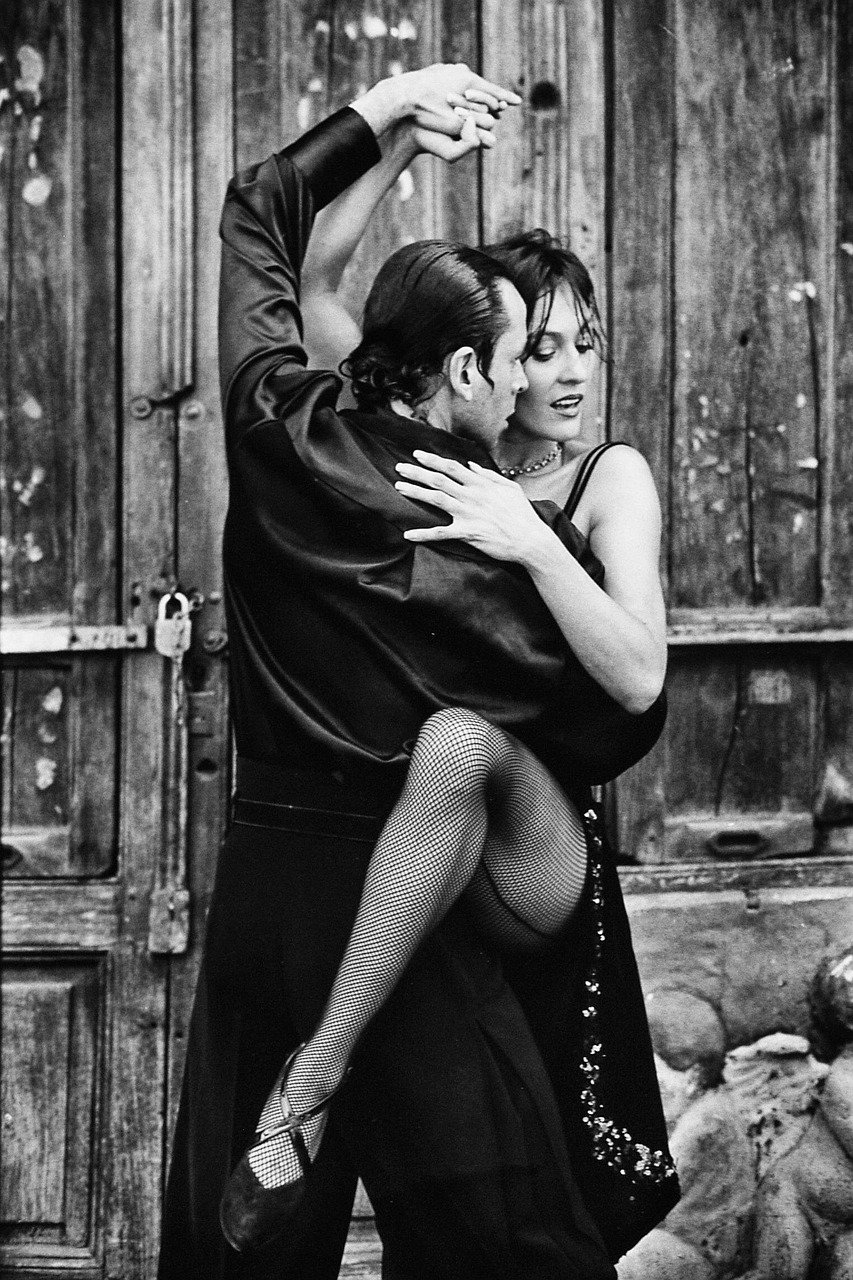
The building that houses Tango Porteño carries as much history as the dance itself. Constructed in the 1930s in the sweeping Art Deco style that defined Buenos Aires’ cosmopolitan ambitions, the theater originally served as Metro-Goldwyn-Mayer’s flagship Argentine cinema — the venue where Hollywood blockbusters had their South American premieres, attracting the city’s social elite on 9 de Julio Avenue. The interior retained its gorgeous architectural bones: soaring ceilings, decorative friezes, period ironwork, and a stage broad enough for grand theatrical productions. When MGM vacated, the venue passed through various hands before visionary producers recognized its extraordinary potential as a tango showcase.
Tango Porteño opened its doors as a tango dinner show in 1967, just as Buenos Aires was rediscovering the dance that had originated in its own working-class neighborhoods and lamented cafés at the turn of the twentieth century. Tango had been born in the conventillos — the crowded tenement houses of La Boca and San Telmo — among the waves of Italian, Spanish, and Eastern European immigrants who flooded Argentina’s capital. By the 1930s it had grown into the city’s definitive cultural export, only to be suppressed under successive military governments before roaring back to public life. Tango Porteño positioned itself as a guardian of that legacy: a space where the authentic porteño spirit of the dance could be presented with the production values it deserved. Today, after more than five decades, the theater at Cerrito 570 remains one of the most respected tango venues in Argentina, balancing tradition with spectacle in a way that delights first-timers and seasoned aficionados alike.
What to See at Tango Porteño
The Art Deco Theater and Stage
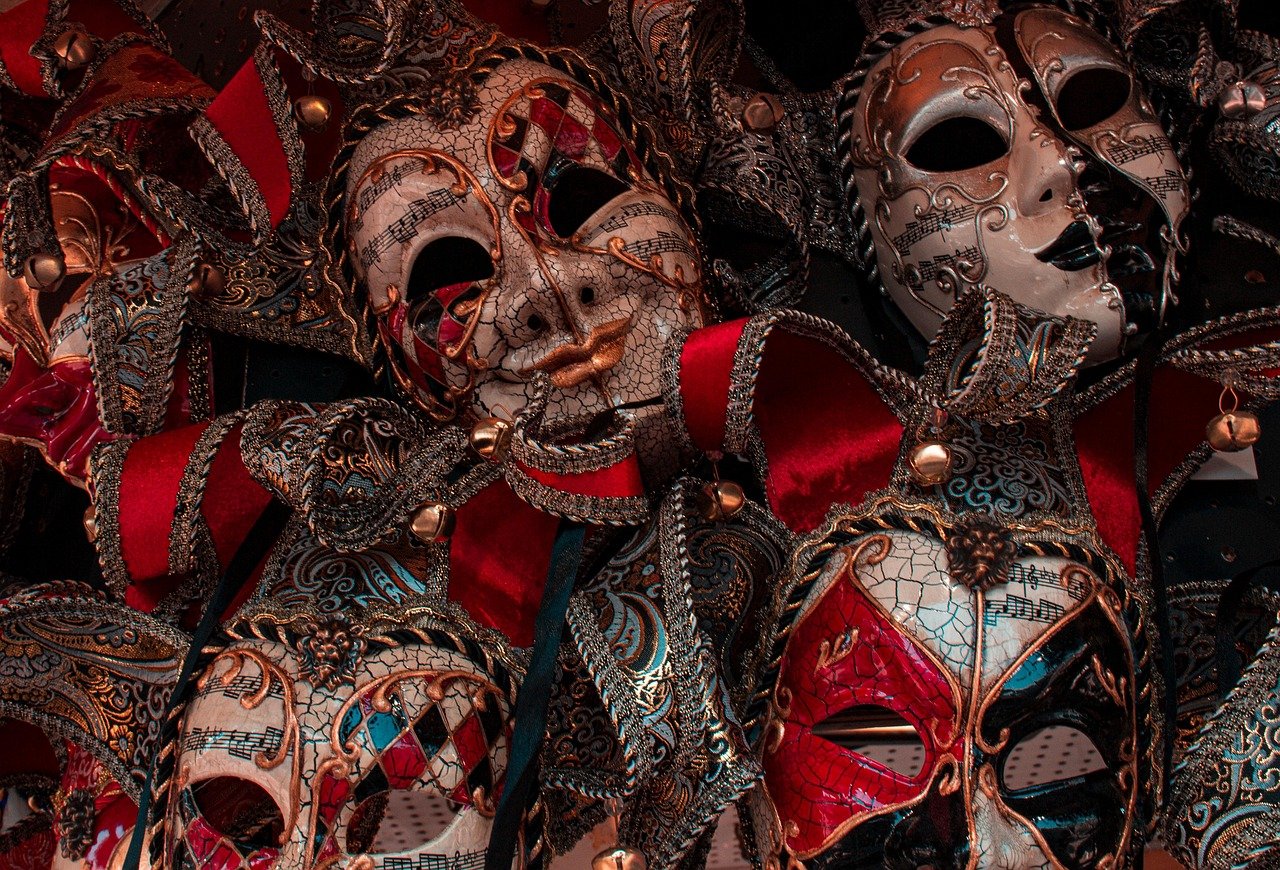
Step inside and the restored 1930s interior immediately announces that this is no ordinary dinner show. The vaulted ceiling, ornate moldings, and warm amber lighting create an atmosphere of refined nostalgia — halfway between old Buenos Aires and Hollywood golden-age glamour, which is exactly what this space once was. The stage is expansive, designed to hold large ensembles without sacrificing the intimacy that tango demands. Elaborate costumes — sequined gowns, sharp tuxedos, fishnet stockings — catch the theatrical lighting, while dramatic scene changes use projection and staging rather than cheap pyrotechnics, keeping the focus on the dance. Tables are arranged so that sightlines remain excellent from every seat. The physical space alone is worth arriving early to absorb before the show begins.
The Tango Performance
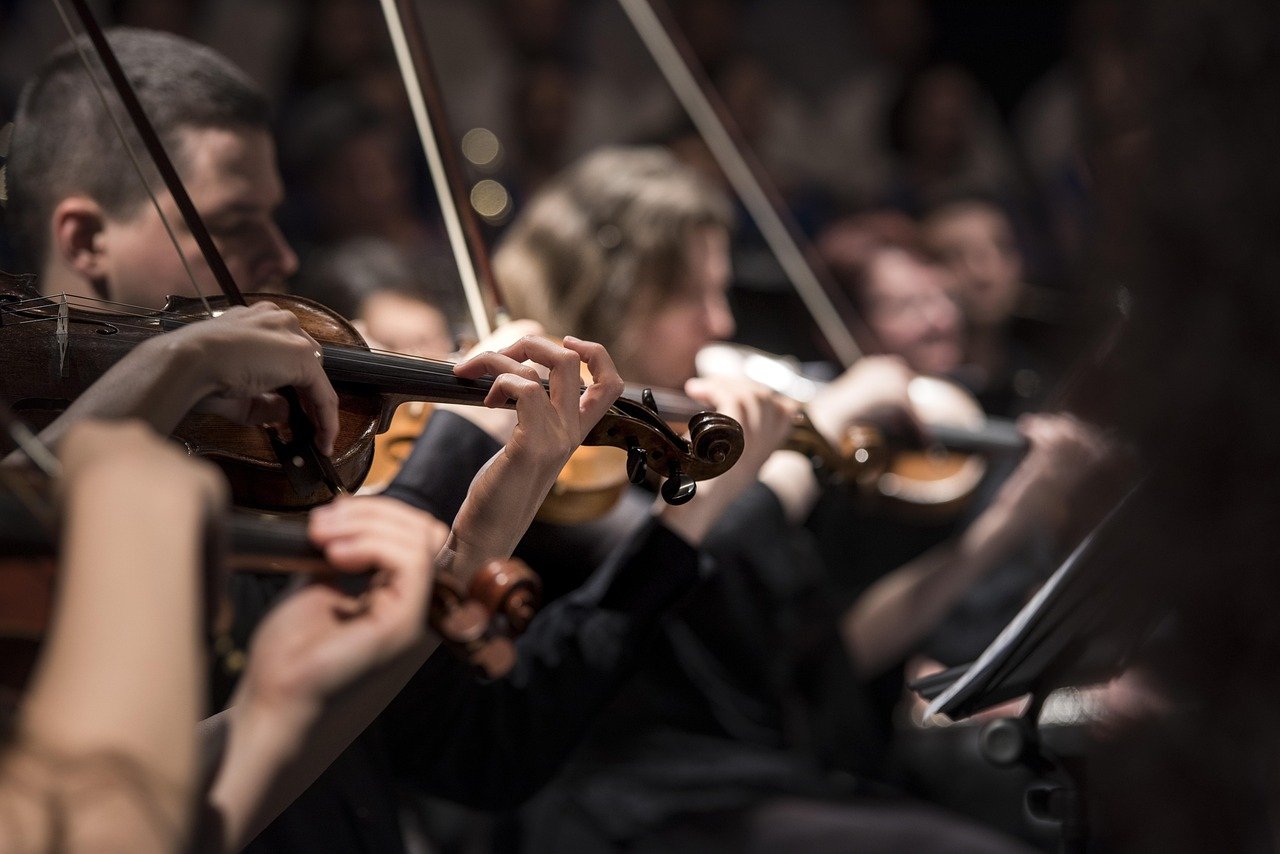
The show traces the evolution of tango from its raw, gritty origins in the immigrant neighborhoods of early twentieth-century Buenos Aires through the golden age of the 1940s, the international boom years, and into the contemporary nuevo tango pioneered by Astor Piazzolla. A live orchestra — typically a sextet or octet featuring bandoneón, violin, piano, bass, and guitar — provides the musical spine, and the difference between live and recorded music is immediately felt in your chest. Dancers range from couples performing the intimate, improvisational connection of milonga-style tango to ensemble pieces with a dozen performers crossing the stage simultaneously. Vocalists appear throughout, performing classic tango standards in the tradition of the great porteño cantores. The choreography moves fluidly between elegance and raw emotion, honoring the dance’s working-class origins even when wrapped in theatrical finery.
The Three-Course Dinner
Dinner at Tango Porteño is not an afterthought — it is a genuine Argentine meal designed to be enjoyed without rushing before the show begins. Guests choosing the dinner package arrive at 8:30 PM for a three-course menu that rotates seasonally but typically offers four main-course options: choices include grilled Argentine beef cuts, chicken, salmon, and a vegetarian alternative. Starters lean toward empanadas, cured meats, and seasonal salads, while dessert features classic Argentine sweets such as dulce de leche-based pastries and fruit. Beverages included throughout the evening run to wine, beer, soft drinks, and water. The meal is served efficiently by attentive staff who understand that the show — beginning at 10:00 PM — is the main event, and the pacing reflects that. Non-dinner guests can join from 9:30 PM for the show only.
Wine is a particular highlight: Argentine Malbec from Mendoza is poured generously throughout the dinner service, giving guests a genuine taste of one of the country’s finest exports alongside their meal. If you have not yet explored Argentine wines during your trip, the dinner at Tango Porteño provides an excellent and affordable introduction. The vegetarian menu option is prepared thoughtfully rather than as an afterthought, featuring seasonal vegetables and Argentine cheeses — worth requesting if you have dietary requirements.
Local Insights
Make the most of your Tango Porteño visit with these insider tips from seasoned Buenos Aires travelers.
- Book the dinner package for the full experience. The show-only ticket saves money (from around $37 USD), but arriving at 8:30 PM for dinner means two hours of atmosphere-building before the curtain rises. The included drinks and food genuinely justify the premium, and the evening flows more naturally when you are not rushing in at 9:30 PM.
- Request a center-front table when booking. Call or email the venue directly after purchasing online to note your table preference. Seats toward the center of the main floor at mid-distance from the stage offer the best balance of sight and sound — close enough to see facial expressions, far enough to appreciate ensemble choreography.
- Use the free hotel transfers. Pick-up zones cover Palermo and Downtown Buenos Aires between 7:45 and 8:30 PM. Taking the complimentary transfer saves you navigating Buenos Aires traffic in unfamiliar territory and means you arrive relaxed rather than frazzled from a taxi negotiation.
- Dress smart-casual or above. This is not a black-tie event, but Buenos Aires locals tend to dress up for a night out, and the Art Deco setting rewards the effort. Women in cocktail dresses and men in collared shirts fit in perfectly; shorts and athletic wear feel out of place regardless of the heat outside.
- Stick around after the show for photos. Performers typically come to the floor after the curtain call for photographs with guests. If you want a memento photo with a costumed tango dancer, linger for ten to fifteen minutes rather than rushing for the exits with the first wave of departing guests.
Planning Your Visit
- Tickets: Show only from ~$37 USD (approx. ARS 35,000–38,000 at current rates); dinner + show from ~$84–93 USD (approx. ARS 80,000–90,000). Children under 12 receive 50% discount; children under 3 are free. Book via the official website tangoporteno.com.ar or authorized platforms like Viator or GetYourGuide.
- Opening hours: Dinner service begins at 8:30 PM; show-only entry from 9:30 PM; show starts at 10:00 PM. Runs nightly, 7 days a week.
- Best time: Any night of the week is excellent; Friday and Saturday shows tend to have larger, more energetic audiences. March–May and September–November offer comfortable Buenos Aires evenings without summer heat or midwinter chill.
- Duration: Allow approximately 3.5–4 hours for dinner guests (8:30 PM arrival to around 12:30 AM); approximately 2 hours for show-only guests.
- Booking: Advance booking strongly recommended, especially for weekends and peak travel season (December–February). Book at least 1–2 weeks ahead to secure dinner package seats.
Getting There
- Subte (Metro): Line D to Tribunales station or Line B to Carlos Pellegrini station, both within a 5-minute walk of Cerrito 570. Line C to Diagonal Norte also works.
- By car: Street parking along Cerrito and adjacent streets; paid parking garages on Lavalle and Corrientes. Traffic on 9 de Julio Avenue is congested on evenings — allow extra time.
- On foot: A 10-minute walk from the Plaza de Mayo historic district; 15 minutes from the San Telmo market neighborhood. The Obelisk on 9 de Julio is the landmark — the theater is just off it on Cerrito.
- Taxi/ride-share: Tell the driver “Cerrito 570, frente al Obelisco.” Uber and Cabify both operate in Buenos Aires and are reliable at night. Drop-off directly in front of the venue.
Frequently asked questions
How does Tango Porteño compare to other Buenos Aires tango shows?
Tango Porteño is considered a mid-to-large venue in a genuinely historic theater, striking a balance between theatrical polish and authentic tango spirit. Compared to the massive Señor Tango in Barracas (capacity 1,500), Tango Porteño is more intimate, placing you closer to the dancers in an Art Deco space that itself has cultural weight. For those prioritizing stagecraft, history of the building, and proximity to the city center, Tango Porteño consistently earns high marks among first-time visitors and returning travelers alike.
Is the show suitable for children?
Yes — children are welcome at Tango Porteño. The show runs until around midnight, which may be late for young children, but the performance itself contains no inappropriate content. Children under 12 receive a 50% discount on tickets, and children under 3 are admitted free. The visual spectacle of costumes, lighting, and energetic dancing tends to captivate younger audiences. Families typically find the dinner package more practical so that children can eat at a regular hour before the show begins at 10:00 PM.
Can I buy tickets at the door on the night?
Walk-in tickets may be available if the show has not sold out, particularly on weeknight performances. However, Buenos Aires’ tango show circuit is heavily promoted to international visitors, and popular nights — particularly Fridays and Saturdays — can sell out well in advance during peak season (December through February and July). To avoid disappointment, purchase tickets online through the official Tango Porteño website or a reputable booking platform such as Viator or GetYourGuide. Booking online also typically guarantees your preferred seating category.
What language is the show performed in?
Tango is a language unto itself — nearly all of the performance is dance, not dialogue, meaning the show is fully accessible to visitors regardless of Spanish proficiency. Vocalists perform classic tango standards in Spanish, but the lyrics are secondary to the emotional delivery; no translation is needed to feel their impact. Brief narration or introductions between acts, if any, are typically offered in both Spanish and English. Some tour packages include guides or printed materials explaining the historical context of each tango style performed during the evening.
Is there a pre-show tango lesson, and is it worth attending?
Some Tango Porteño booking packages include an optional introductory tango lesson held before the dinner service begins. For complete newcomers to tango, this 30-to-45-minute lesson is genuinely valuable — not because you will emerge a dancer, but because understanding a few basic steps and figures transforms how you watch the professionals perform. When you have tried to execute a back ocho or a gancho yourself, even clumsily, you develop an immediate appreciation for the precision and control the stage dancers demonstrate. Lessons are typically offered in small groups with bilingual instructors. Check package options at the time of booking; not all tiers include the lesson.
What is the best way to get from Tango Porteño back to my hotel after the show?
The show ends around midnight to 12:30 AM, and several options work well. The complimentary return transfer, if included in your package, is the easiest — simply rejoin the group at the venue exit. If you booked show-only or your package does not include return transfer, Uber and Cabify are both active in Buenos Aires after midnight and can be hailed easily from inside the venue’s immediate area near the Obelisk. The area around Cerrito and Corrientes is well-lit and populated late at night, so waiting for a ride is comfortable. Standard taxis (remises) are also plentiful — ask venue staff to call one if you prefer. Avoid walking long distances alone at night in unfamiliar neighborhoods.