
Casa Rosada 💎 Hidden Gem
The rose-pink facade of Casa Rosada glows at the eastern end of Plaza de Mayo, its ornate 19th-century stonework reflecting the golden light of Buenos Aires mornings. From the balcony of this building, Eva Perón addressed the descamisados — the shirtless ones — and Madonna filmed the iconic scene of Evita against the Buenos Aires skyline. The seat of Argentine executive power since the 1870s, Casa Rosada is simultaneously a working presidential palace, a history museum, and one of the most recognisable facades in Latin America.
History of Casa Rosada
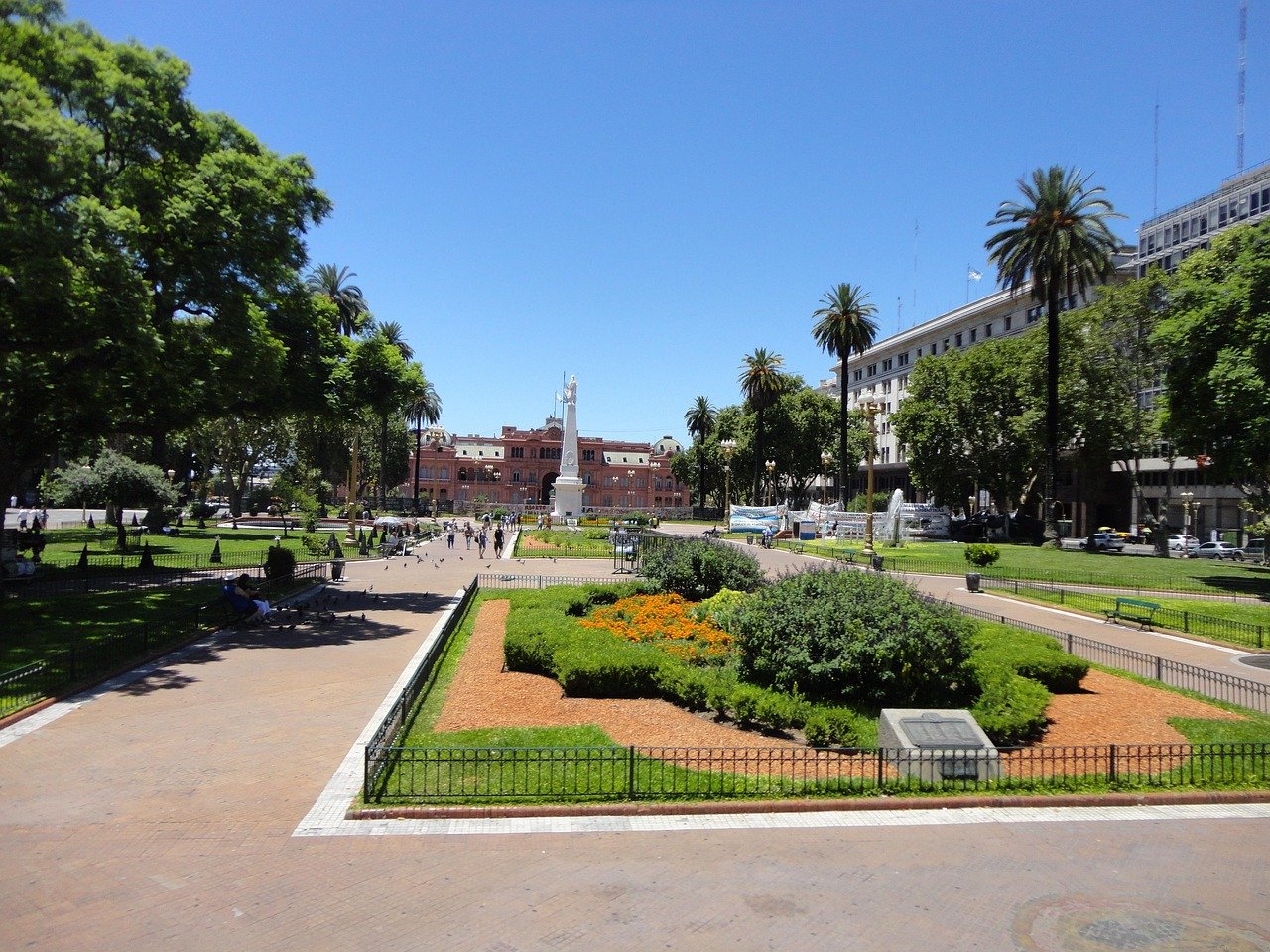
The site where Casa Rosada stands has been the seat of political power in Buenos Aires since the Spanish colonial period. A fort was first constructed here in 1594, and various government buildings occupied the site over the following centuries. The current pink palace is largely the result of two 19th-century construction phases: the southern wing was built as a post office in the 1870s, and the northern wing housed the national treasury. President Julio Roca ordered the two wings unified into a single building between 1882 and 1898, creating the structure visitors see today.
The origin of the distinctive pink colour has been debated for over a century. One popular legend holds that it was originally painted using a mixture of whitewash and ox blood, a common preservative of the era. Another theory credits a political compromise — the rose colour blending the red of the Federalists and the white of the Unitarians, Argentina's two warring 19th-century political factions. The shade has varied considerably over the decades, sometimes appearing pale salmon, at other times a deep terracotta rose.
The building's most famous moment in popular culture came when Eva Perón delivered her passionate speeches from the central balcony to vast crowds filling the plaza below. Today the Casa Rosada Museum, housed in the building's vaulted brick cellars, documents the history of Argentine presidents through portraits, personal objects, and historical artefacts.
What to See
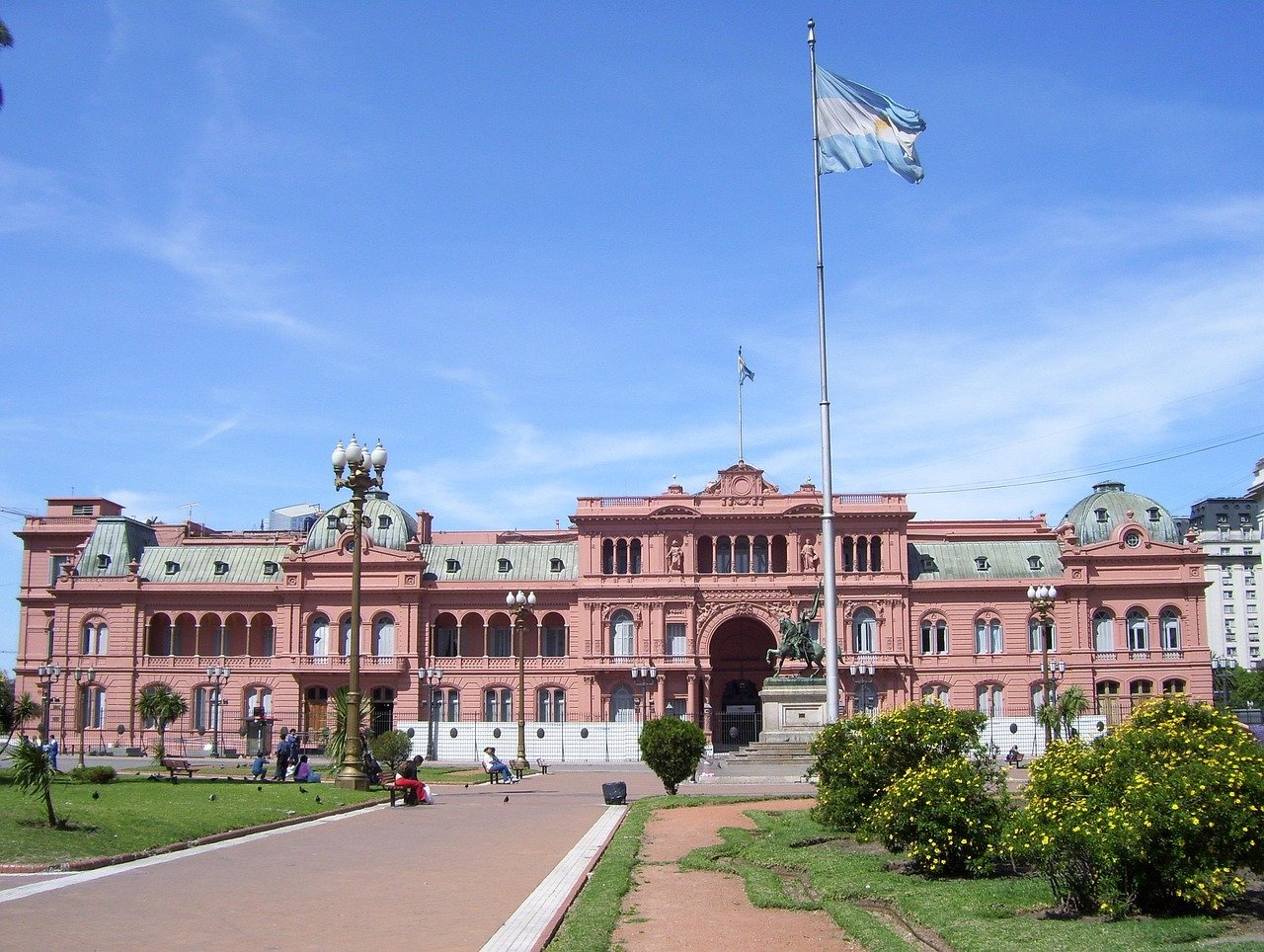
The exterior of Casa Rosada is spectacular from Plaza de Mayo at any hour, but particularly at sunrise and in the late afternoon when the light turns warm. The plaza itself — a UNESCO-recognised historic site — is surrounded by significant buildings: the Metropolitan Cathedral, the Cabildo (the colonial council hall), and the city's main bank are all within a short walk. On Thursday afternoons, the Mothers of the Plaza de Mayo still walk their silent protest circuit around the central obelisk, a tradition begun during the military dictatorship of the 1970s.
Weekend guided tours of the palace interior allow access to the ceremonial rooms, the Hall of Lost Steps, and the balcony from which Eva Perón and successive presidents have addressed the Argentine public. The Casa Rosada Museum in the basement is open Wednesday through Sunday and is free of charge, containing an excellent collection of presidential memorabilia and documents from Argentine political history.
The Famous Balcony
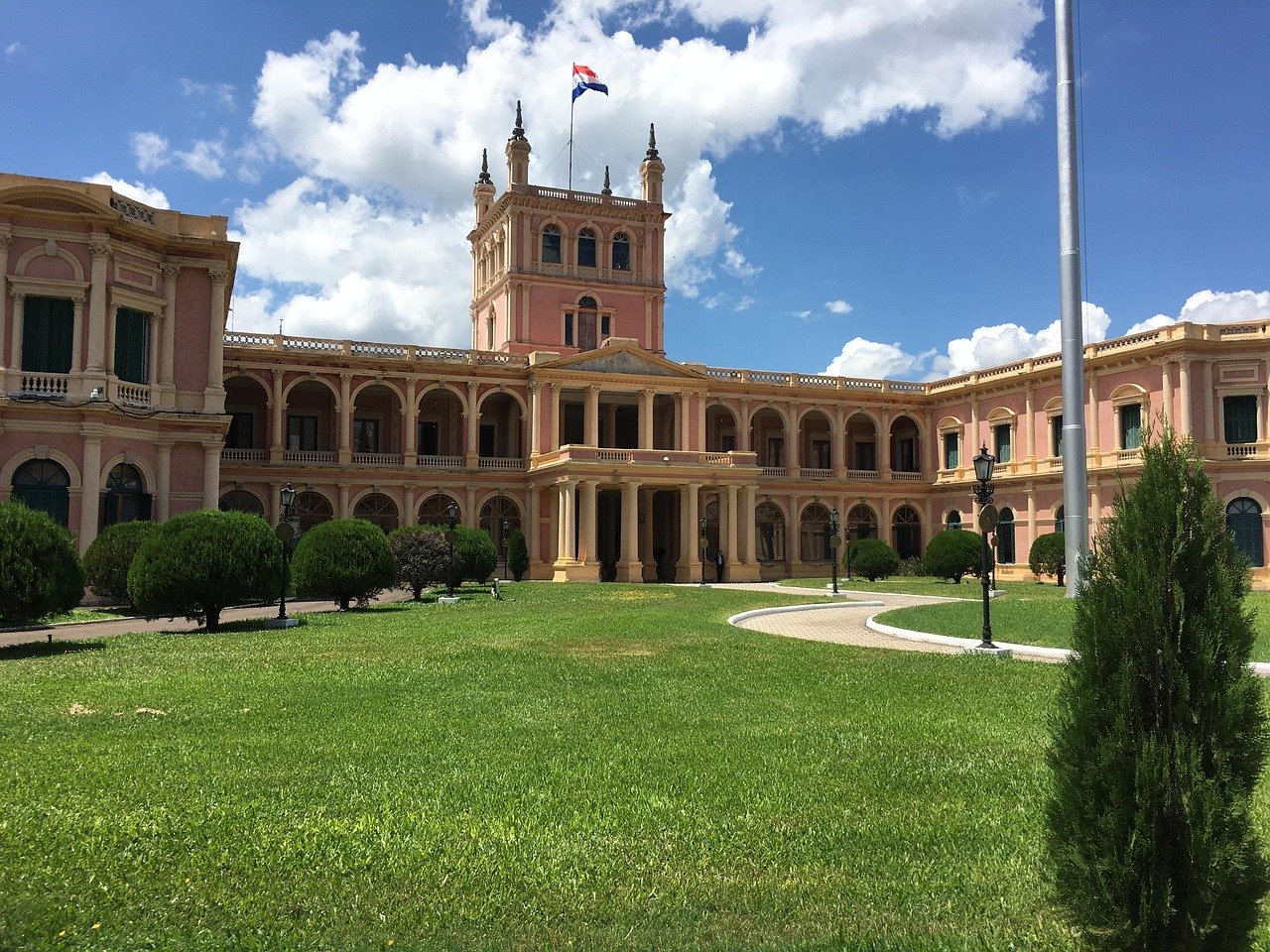
The central balcony of Casa Rosada is the most politically charged piece of architecture in Argentina. Every significant moment of Argentine political life — triumphs and tragedies alike — has played out on this small raised platform. Juan Perón and Eva Perón addressed millions here; the military junta of 1976 declared the restoration of order from this balcony; and after the economic crisis of 2001, the resignation of multiple presidents was announced here as crowds below threw coins and banged pots.
During guided tours, visitors can stand on the balcony and look out across Plaza de Mayo — an experience that requires little imagination to appreciate the weight of history embedded in the view. The sheer scale of the plaza, designed to hold massive crowds, suddenly makes sense when you're standing at the point from which Argentina has been addressed by everyone from Eva Perón to Pope Francis during his time as Archbishop of Buenos Aires.
Practical Information
- Tickets: Free. Both the exterior viewing and the Casa Rosada Museum are free of charge. Interior tours must be booked online at visitas.casarosada.gob.ar.
- Opening hours (Museum): Wednesday–Sunday 10:00–18:00 (last entry 17:30).
- Interior tours: Weekends and public holidays only; English tours available. Bring passport — ID is required for security.
- Best time to visit: Early morning for photography before the crowds arrive; afternoon for the guided interior tours on weekends.
- Duration: 1–2 hours including museum and plaza.
Local Insights
What locals know that guidebooks do not always tell you:
- Interior tour spots are limited and disappear quickly online — book your weekend visit through the official government portal at least a week in advance.
- The museum entrance is on the Hipódromo side (not the plaza facade) — turn left as you face the building and walk around to the southern flank.
- The plaza is the gathering point for political demonstrations; if a large protest is planned, access may be restricted. Check local news before visiting.
- Combine your visit with the nearby Cabildo and Metropolitan Cathedral — all three are within a five-minute walk and together give a comprehensive overview of Buenos Aires' colonial and 19th-century history.
- The view of the Rio de la Plata from behind the palace (walking through Parque Colón) is unexpected and beautiful — most tourists miss it entirely.
Getting There
- Subte (Metro): Line A to Plaza de Mayo station; Line D or E to Catedral station — both one block from the plaza.
- Bus: Multiple routes stop on Avenida de Mayo and Rivadavia — lines 24, 29, 56, and 64 among others.
- On foot: 10–15 minutes walk south from the Microcentro shopping and business district.
- Taxi/Remis: Ask for Plaza de Mayo; drop-off on Rivadavia or Hipódromo side of the palace.
Frequently asked questions
Can I visit Casa Rosada without booking?
The museum and exterior are walk-in. Interior guided tours require online booking through the official government website and are only available on weekends and public holidays. Bring your passport for security checks.
Is Casa Rosada still a working building?
Yes. The presidential offices are located here, though the president does not reside in the building. Official functions, ceremonies, and cabinet meetings take place inside. Access is restricted to public areas during tours.
What is the Casa Rosada Museum about?
The museum in the building's basement displays portraits of every Argentine president, personal objects, historical documents, and exhibits covering Argentina's political history. Admission is free and it is open Wednesday through Sunday.
Is photography allowed at Casa Rosada?
Yes — the exterior can be photographed freely from the plaza. Inside, photography rules vary by room; guides will advise. The iconic balcony shot from the plaza requires no special permission.
What other attractions are near Casa Rosada?
Plaza de Mayo is surrounded by the Metropolitan Cathedral, the Cabildo, and the city's main bank. The San Telmo neighbourhood with its antique markets and tango bars is 10 minutes south by foot, and the Puerto Madero waterfront is directly east.