
Los Glaciares National Park (Parque Nacional Los Glaciares)
Stand at the edge of the Perito Moreno Glacier and the world feels suddenly, primally ancient. The ice groans and cracks with a sound like distant thunder, then a chunk the size of a house calves off and crashes into the milky turquoise lake below. This is Los Glaciares National Park in Argentine Patagonia — nearly 600,000 hectares of raw wilderness where glaciers still advance, condors ride thermals over jagged granite towers, and the wind whips across open steppe with a force that takes your breath away. It is one of the last places on Earth where you can watch geological forces at work in real time.
History of Los Glaciares National Park
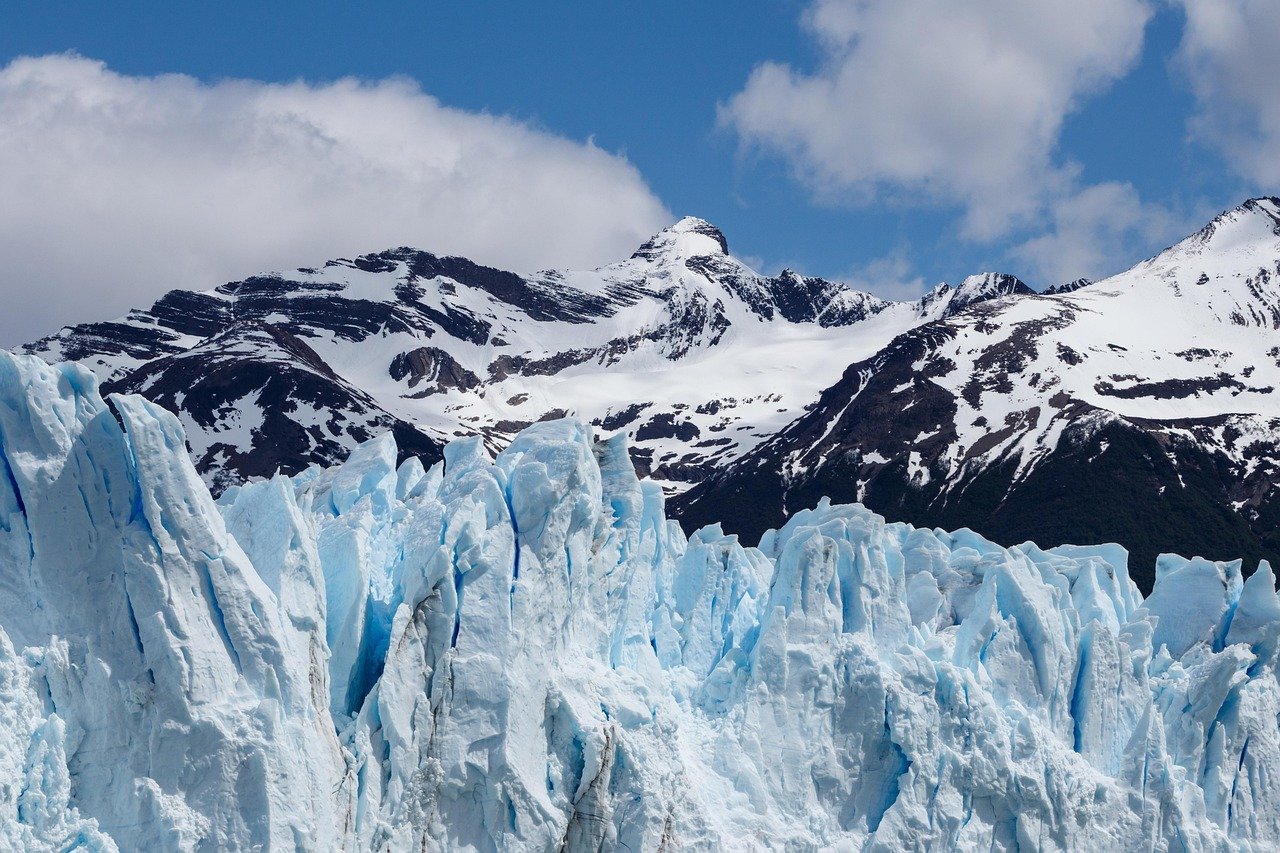
The Tehuelche people roamed this land for thousands of years before European explorers arrived in the 16th century. Francisco Pascasio Moreno, the Argentine naturalist and explorer known as “Perito” (expert), surveyed the region extensively in the late 19th century, and the famous glacier now bears his name as tribute to his pioneering work. Moreno’s expeditions helped Argentina secure its Andean borders during boundary disputes with Chile, and his detailed geographic records laid the foundation for the national park that would eventually protect this landscape.
Argentina established Los Glaciares as a national park in 1937, recognizing the extraordinary scientific and scenic value of its 356 glaciers. The park was inscribed on UNESCO’s World Heritage List in 1981, acknowledged as one of the most important glaciological areas outside the polar regions. The Southern Patagonian Ice Field, the third largest freshwater reserve in the world, feeds the park’s glaciers — including the 30-kilometer-long Perito Moreno, which remarkably continues to advance even as glaciers worldwide retreat.
What to See
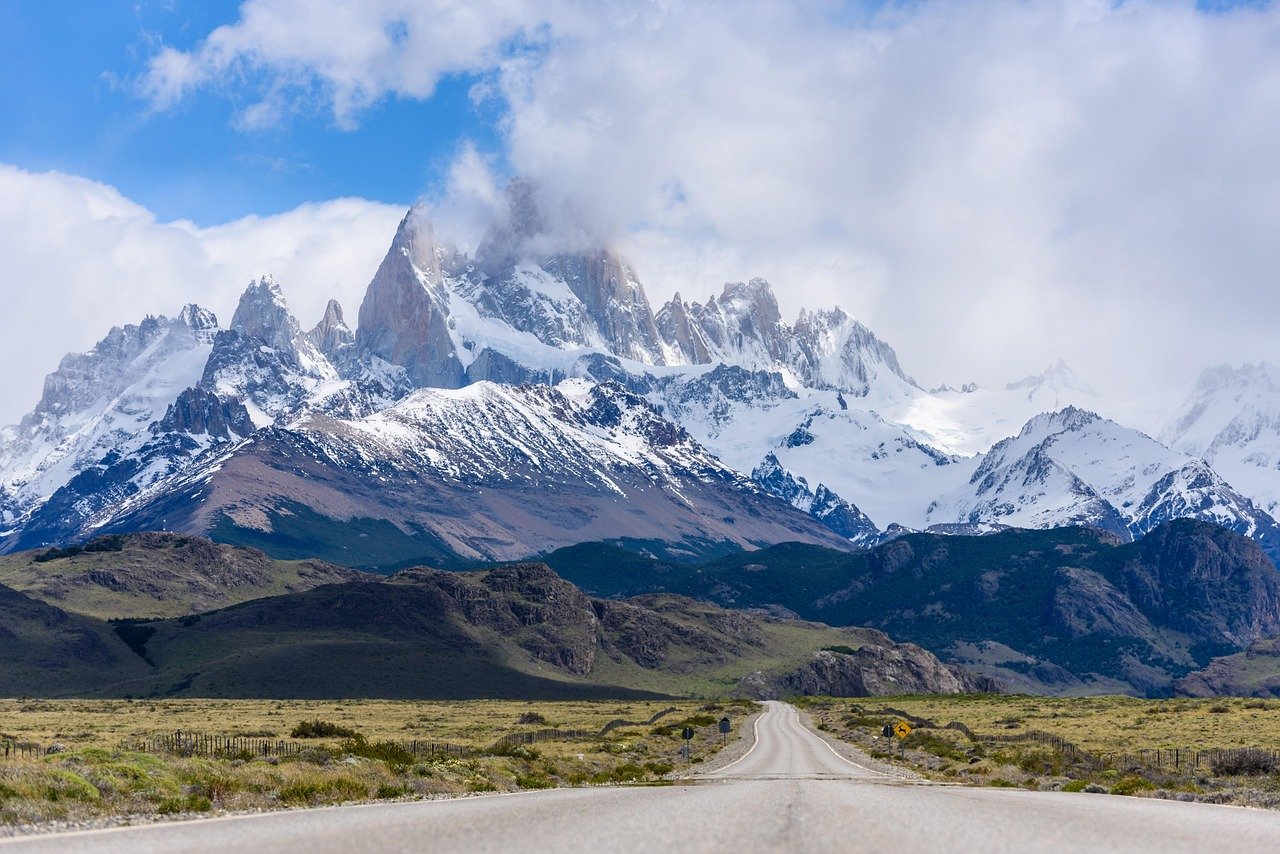
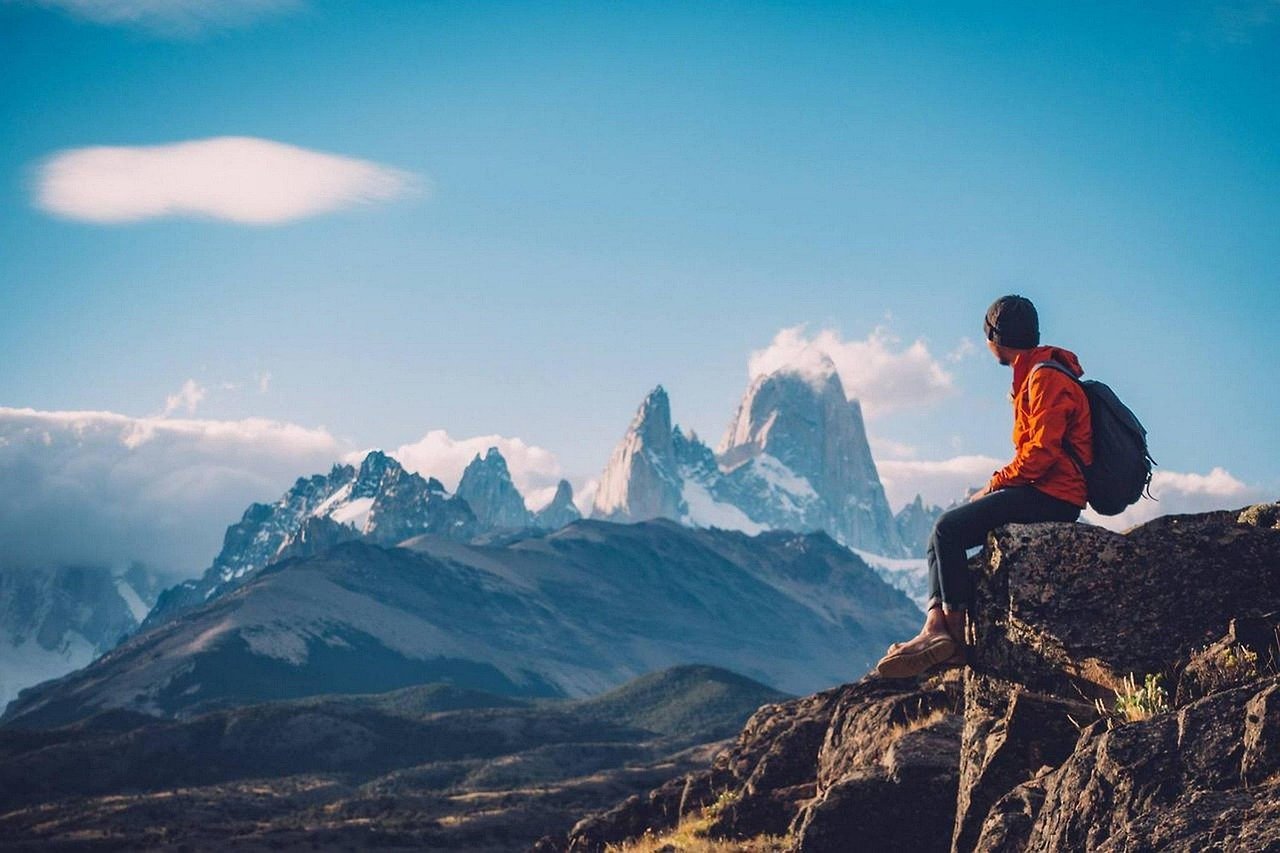
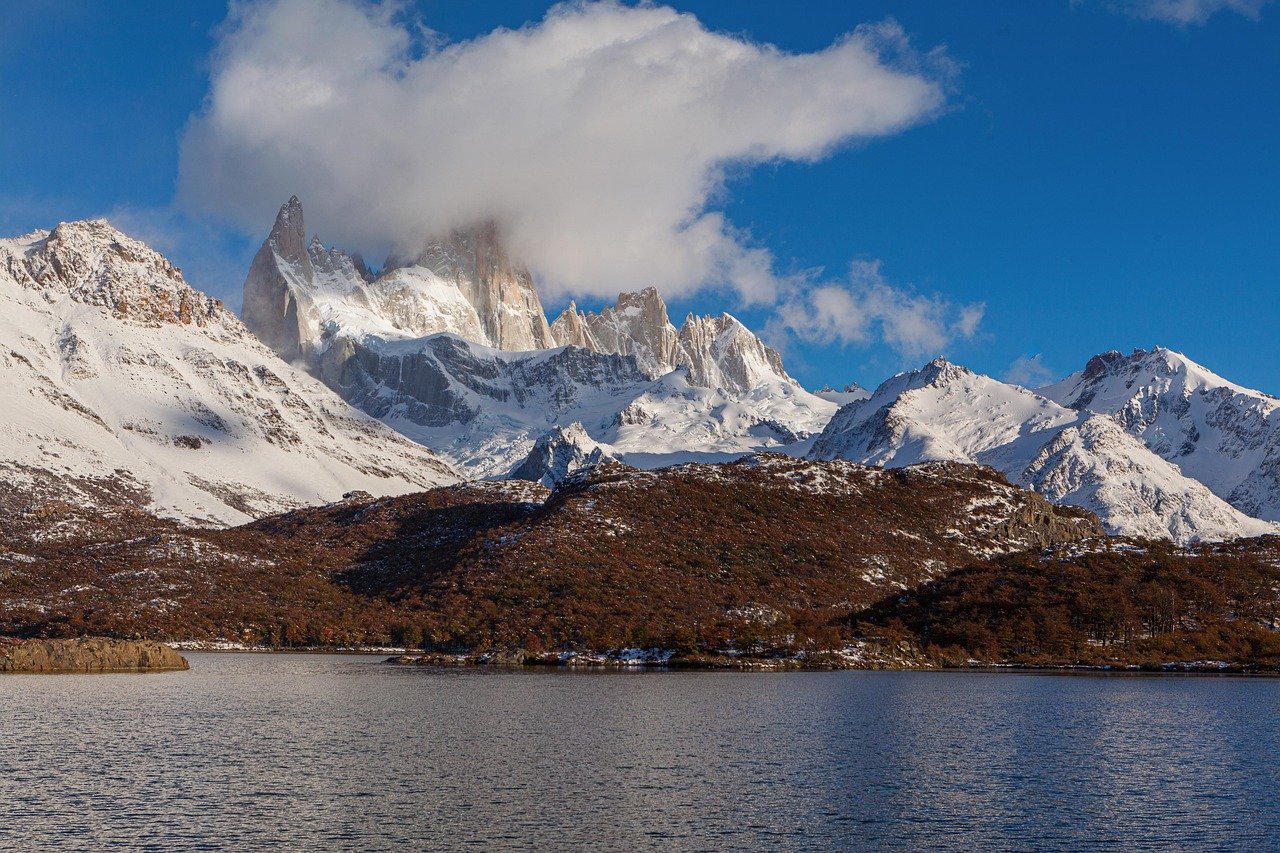
The park divides into two main sectors. In the south, the Perito Moreno Glacier draws visitors from around the world to watch ice calving from an extensive walkway network. The glacier’s face stands 60 meters above the waterline of Lago Argentino, while another 170 meters lurk below the surface. In the north, El Chaltén serves as the trekking capital, sitting at the base of the iconic Cerro Fitz Roy — a granite spike that inspired the Patagonia clothing brand logo. The cerulean waters of Lago del Desierto and the dramatic Los Glaciares surroundings make El Chaltén a hiker’s paradise.
Beyond the glaciers, the park shelters remarkable wildlife. Andean condors with three-meter wingspans soar overhead, while guanacos (wild relatives of the llama) graze on Patagonian steppe. The rare huemul deer — depicted on Argentina’s coat of arms — hides in forested valleys. Lucky visitors may spot pumas tracking prey across open terrain at dusk. The park’s rivers and lakes teem with introduced trout, making fly fishing another popular draw in the calmer southern sector.
The Perito Moreno Glacier Up Close
What makes Perito Moreno unique among the world’s major glaciers is its behavior: it actually advances rather than retreating. Every few years, the glacier pushes across Lago Argentino and creates a natural dam that separates the Brazo Rico arm of the lake from the main body. Water pressure builds on one side until the dam ruptures spectacularly — an event called the “ruptura” that draws thousands of spectators. The last full ruptura occurred in 2018, though partial ruptures happen more frequently.
Multiple viewpoints along the steel walkway system allow visitors to observe the glacier at different angles and distances. The closest platforms bring you to within 200 meters of the ice wall, where you can hear every creak and groan of the moving glacier. For a more immersive experience, several operators run ice trekking tours directly on the glacier’s surface, complete with crampons and poles. Boat tours pass close beneath the towering ice wall, where blues range from pale aquamarine near the surface to deep sapphire in the compressed ice below.
Practical Information
- Tickets: Approximately ARS 45,000 for international visitors (roughly USD 25–35 depending on exchange rate); multi-day passes available online at the park website
- Opening hours: Summer (Sep 1–Apr 30) 8:00am–6:00pm; Winter (May 1–Aug 31) 9:00am–5:00pm
- Best time to visit: October to April for mildest weather and longest daylight; February–March for warmest temperatures; winter offers dramatic moody skies and fewer crowds
- Duration: Half day minimum for Perito Moreno alone; full day recommended; El Chaltén sector warrants 2–3 days for trekking
- Booking: Entrance tickets purchasable online at the national park website or at park gates; ice trek tours must be booked in advance through operators in El Calafate
Local Insights
What locals know that guidebooks don’t always tell you:
- The glacier calves more actively in the afternoon when solar heating causes thermal expansion — arrive early for the walkways but plan to stay until 2–4pm for the most dramatic collapses.
- El Chaltén has no park entrance fee — unlike the Perito Moreno sector, hiking the trails around Fitz Roy and Cerro Torre is entirely free once you’re in the village.
- Patagonian wind can gust to 120 km/h without warning; always carry a windproof layer even on warm sunny mornings, and anchor anything you set down on the walkways.
- The calafate berry (Berberis microphylla) grows wild throughout the park. Local legend says anyone who eats a calafate berry will inevitably return to Patagonia — try them at El Calafate restaurants as jam or in cocktails.
- Book accommodation in El Calafate and El Chaltén months in advance for the December–February peak season, as the towns have limited capacity relative to demand.
Getting There
- By air: Fly into El Calafate International Airport (FTE), served from Buenos Aires (Aerolineas Argentinas, LATAM); the airport is 23km from downtown El Calafate
- By bus: Daily buses connect El Calafate to the Perito Moreno Glacier (80km, about 1.5 hours); multiple companies depart from the El Calafate bus terminal in the morning
- By car: Rent a 4WD in El Calafate; the road to Perito Moreno is fully paved; to El Chaltén take RN-40 north (215km, about 3 hours on partly gravel road)
- Organized tours: Full-day tours departing El Calafate are available from most hotels and the bus terminal, including transport and park entry
Frequently asked questions
How much does it cost to enter Los Glaciares National Park?
International visitors pay approximately ARS 45,000 (roughly USD 25–35 at current exchange rates) for a single-day pass. Argentine residents pay a significantly lower rate. Multi-day passes offering 3 or 7 days of access are available online and can be used non-consecutively within 6 months of purchase. Children under 6 typically enter free.
Can I walk on the Perito Moreno Glacier?
Yes — ice trekking tours operate directly on the glacier surface. The “minitrekking” option lasts about 1.5 hours on the ice, while “big ice” tours cover more terrain over 3–4 hours. Both require crampons (provided) and a reasonable level of fitness. Tours depart from the park’s boat landing and must be booked in advance with licensed operators based in El Calafate.
Is Los Glaciares National Park accessible for visitors with mobility limitations?
The Perito Moreno walkway network is paved and has ramps at most sections, making it partially wheelchair accessible. The lower walkways closest to the glacier face offer excellent views with manageable gradients. Ice trekking is not suitable for visitors with significant mobility limitations. El Chaltén’s hiking trails are generally rugged and not wheelchair-accessible.
Are drones allowed in the park?
Drone use is prohibited in Los Glaciares National Park without special permission from Argentina’s National Parks Administration. The restriction protects wildlife, particularly nesting condors and other birds, from disturbance. Violators face significant fines. Bring a telephoto lens instead — the walkways allow excellent proximity for photography.
What other attractions are near Los Glaciares National Park?
El Calafate town offers the Glaciarium museum (dedicated entirely to glaciology), good restaurants, and craft shops. A two-hour drive north leads to El Chaltén and the Fitz Roy massif. Puerto Natales in Chile (for Torres del Paine National Park) is about 5 hours away by road — many visitors combine both parks into one Patagonia circuit. The Cueva de los Manos (Cave of the Hands), a UNESCO World Heritage site with 9,000-year-old rock art, is a further 4 hours north on RN-40.