
Perito Moreno Glacier
Standing on the boardwalks above Lago Argentino, you hear it before you see it — a deep, thunderous crack that reverberates across the water like a cannon shot. Then comes the roar, and an apartment-block-sized slab of ice peels away from the glacier face and crashes into the milky turquoise lake below. The Perito Moreno Glacier is not a passive landscape — it is alive, groaning and advancing up to two metres per day, one of the few glaciers in the world still in equilibrium. Standing before its 60-metre-tall ice wall, with impossible shades of blue that seem to glow from within, feels like witnessing a geological force that makes ordinary superlatives seem insufficient.
History of Perito Moreno Glacier
The glacier bears the name of Francisco Moreno, the Argentine explorer and naturalist who in the late 19th century played a key role in defining the border between Argentina and Chile. Moreno traversed Patagonia extensively, mapping territory that few outsiders had documented, and the naming of this glacier honours his contributions to Argentine science and geography.
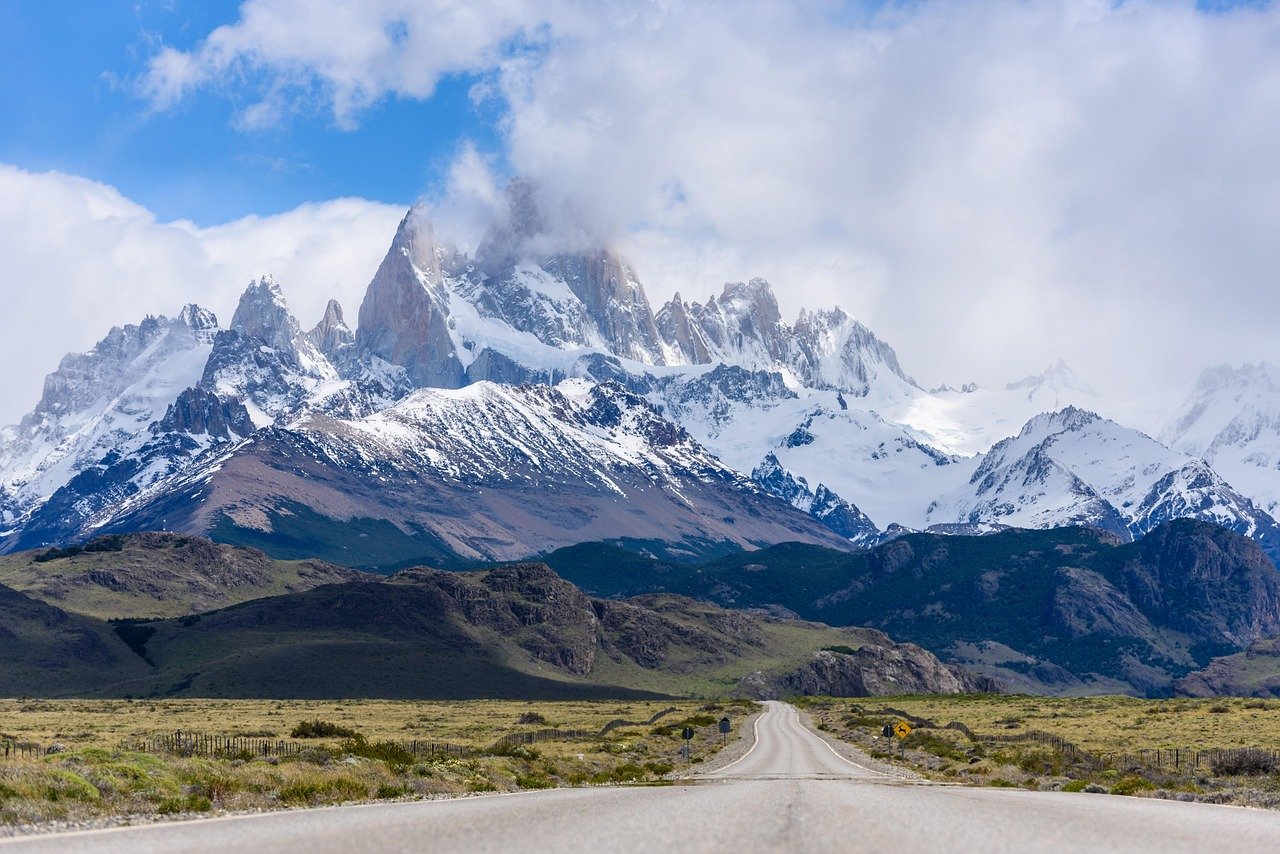
Los Glaciares National Park was established in 1937 and declared a UNESCO World Heritage Site in 1981. The park protects around 600,000 hectares in Santa Cruz province, containing dozens of glaciers fed by the Southern Patagonian Ice Field — the world's third-largest reserve of fresh water after Antarctica and Greenland. Unlike most glaciers globally, Perito Moreno has remained largely stable in size over the past century, making it a remarkable exception.
Periodically the glacier advances far enough to create a natural dam between the two arms of Lago Argentino, causing water levels to rise dramatically. Eventually the pressure becomes too great and the ice ruptures spectacularly. These rupture events occur every few years and remain unpredictable, adding geological drama to every visit.
What to See
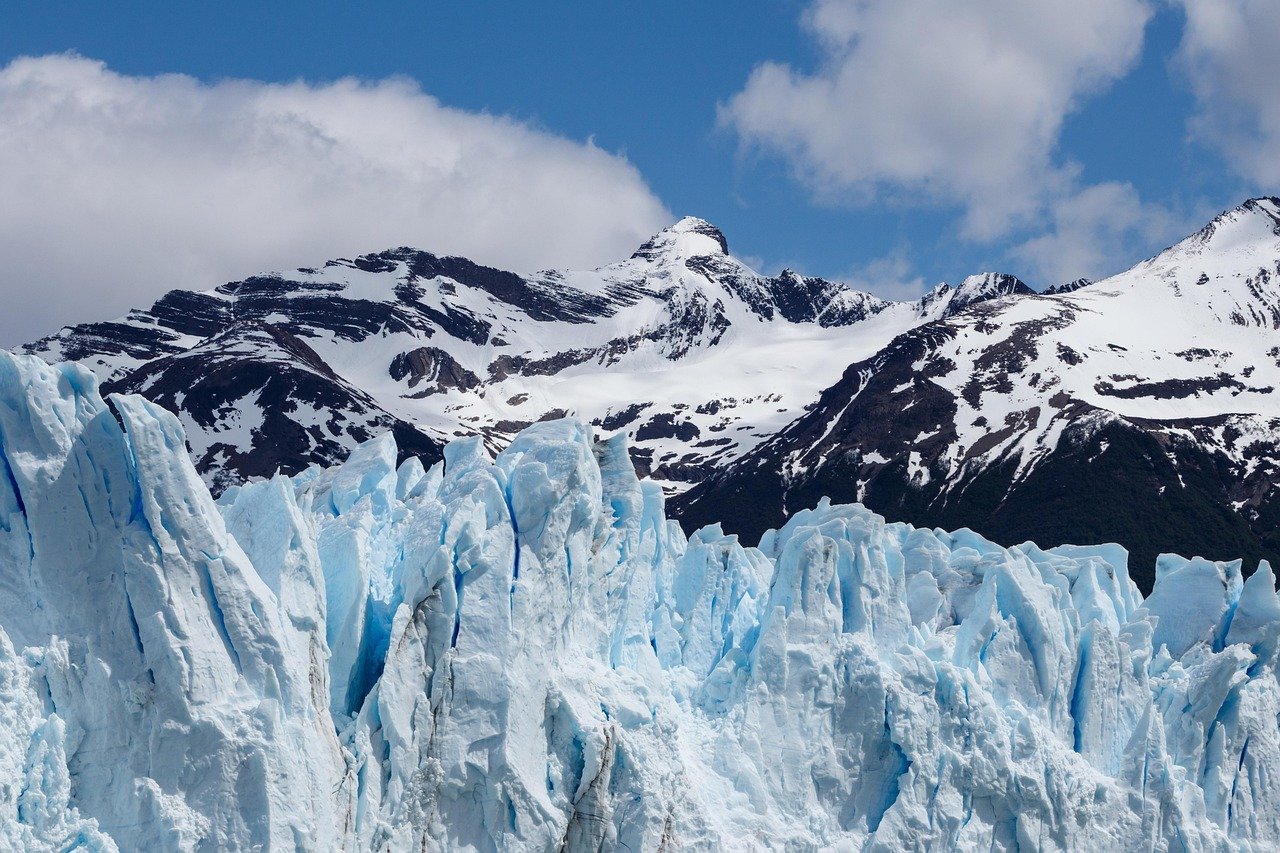
The glacier face stretches roughly five kilometres across and rises 60 to 70 metres above the waterline — with another 170 metres below the surface. Elevated walkways and stairs zigzag across the hillside, offering vantage points from lake level up to high platforms with panoramic views. You hear the glacier constantly — pops, groans, shudders, and thunderclaps as ice calves into the lake.
Beyond the glacier face, the park offers wildlife viewing: Andean condors wheel overhead, Patagonian grey foxes appear near the treeline, and black-necked swans paddle in sheltered bays. The visitor centre near the entrance has glaciology exhibits. Boat tours navigate close to the glacier face, where the blue hues visible from the deck are staggering at close range.
Trekking on the Ice
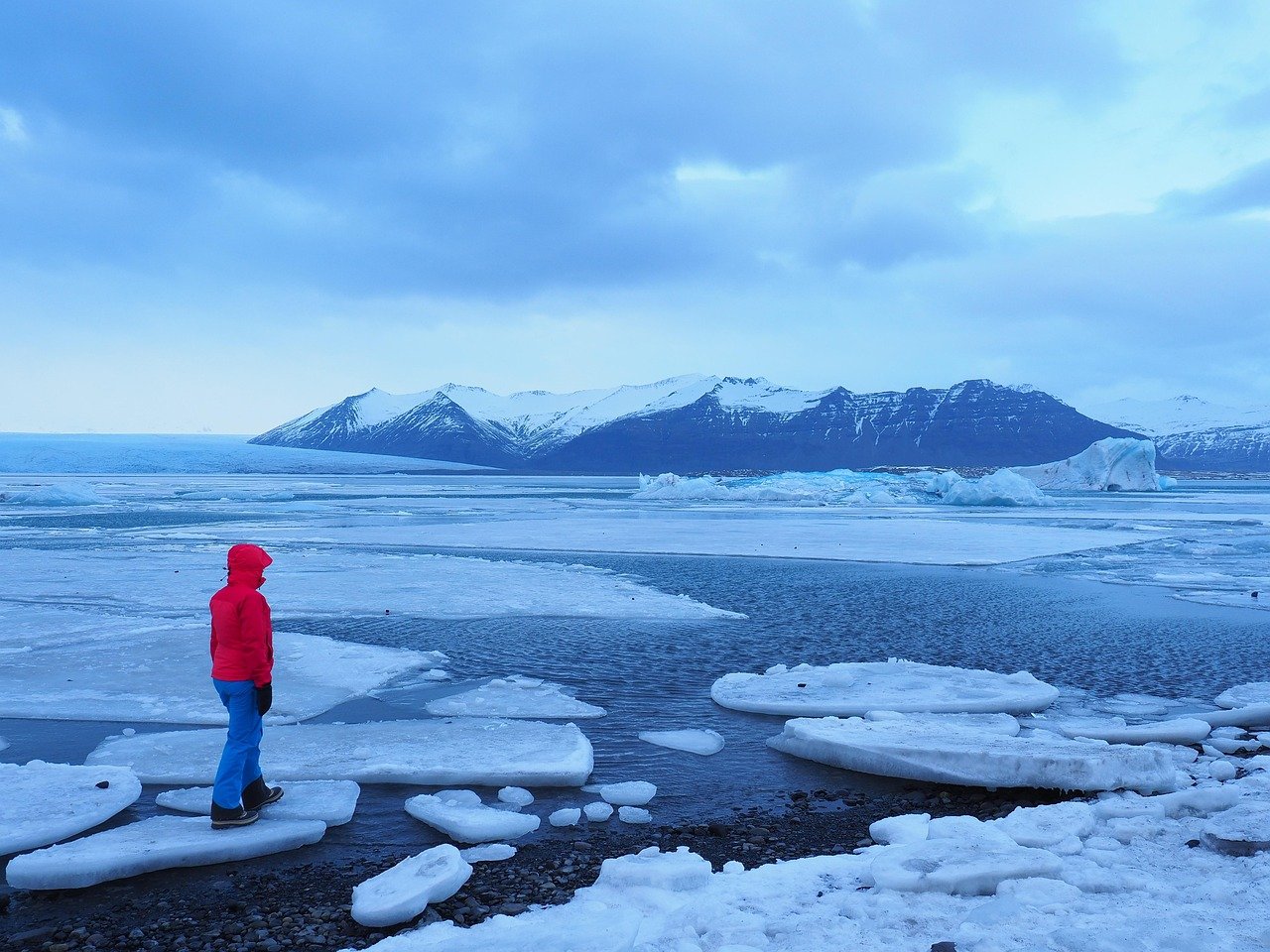
Guided ice treks let you step directly onto the glacier surface. Short mini-trekking excursions cover about an hour on the ice with crampons and poles provided. The more demanding Big Ice experience involves a longer trek across the upper glacier, reaching sections where towering seracs and deep blue crevasses create an otherworldly landscape. Both experiences depart via short boat rides from the southern shore.
Only licensed operators — primarily Hielo y Aventura — run these treks. Equipment is provided, and no prior mountaineering experience is required for the standard mini-trek. Big Ice has minimum age and fitness requirements. Between October and April, book your trek well before arriving in El Calafate as spaces fill weeks in advance.
Practical Information
- Tickets: Approx. ARS 45,000 for international visitors; park entrance covers the walkways. Ice treks cost extra — from around USD 60 for mini-trek, USD 140+ for Big Ice.
- Opening hours: 8:00–18:00 (Sep–Easter); 9:00–16:00 (Easter–Aug).
- Best time to visit: October to April for warmest weather and full access. Calving is visible year-round.
- Duration: 3–5 hours for the walkways; a full day if combining with a boat tour and ice trek.
- Booking: Park entrance at the gate. Ice treks must be booked in advance through Hielo y Aventura or agencies in El Calafate.
Local Insights
What locals know that guidebooks do not always tell you:
- Arrive when the park gates open — by 10am on peak summer days the walkways are crowded. Early morning light produces extraordinary photography on the ice face.
- Take the lower walkway path first and save the highest vantage points for last — your eye adjusts to the scale of the glacier over time.
- The cafeteria inside the park is expensive. Bring your own food and a thermos; there are picnic tables near the entrance.
- Afternoon offers the best chance of calving events — temperature fluctuations through the day loosen ice at the glacier face.
- The glacier is over 80 km from El Calafate. Check bus return times before leaving town as the last bus back can be earlier than expected.
Getting There
- From El Calafate: Approximately 80 km west by road (about 1.5 hours).
- Bus: Seasonal public buses depart from El Calafate bus terminal in the morning; check schedules locally.
- Remis taxi/transfer: More flexible; shared transfers available from hotels in El Calafate.
- Organised tour: Most agencies offer full-day transfers bundling entrance, walkway time, and optional boat cruises.
- By air: Malvinas Argentinas Airport (FTE) in El Calafate connects to Buenos Aires, Bariloche, and Ushuaia.
Frequently asked questions
Do I need to book tickets in advance?
Park entrance tickets can be purchased at the gate, but ice trek places fill weeks ahead in high season (November–February). Tour packages from El Calafate often bundle entrance and transfers.
Can I walk on the glacier without a guide?
No. The glacier surface is only accessible on guided tours with licensed operators. The walkway network is self-guided and included with park entrance.
Is Perito Moreno suitable for children and elderly visitors?
The walkways involve significant stairs — sturdy footwear is essential. Lower sections offer excellent views without the full stair circuit. Ice treks have minimum age requirements (typically 10+ for mini-trek).
Are drones allowed at the glacier?
No. Drone use is prohibited within all Argentine national park boundaries. Photography from the walkways and boat tours is unrestricted.
What other attractions are near the glacier?
El Calafate has estancias offering horse riding and traditional Patagonian asado. Lago Argentino boat tours visit other glaciers including Upsala and Spegazzini, combinable into a full day from Puerto Bandera.