
Tokyo Tower
Rising 333 metres above the rooftops of Minato ward, Tokyo Tower has served as the city’s most recognisable landmark since 1958 — a blazing red-and-white lattice needle that simultaneously pays homage to Paris’s Eiffel Tower and asserts a thoroughly Japanese identity. Whether you encounter it framed between temple gateways on a crisp winter morning or ablaze with orange light against an inky sky, the tower delivers a jolt of wonder that even the most seasoned traveller rarely anticipates.
History and Architecture
Completed on 23 December 1958, Tokyo Tower was conceived primarily as a broadcasting antenna to unify the television signals of the newly booming post-war capital. Engineer Naiki Tachū drew direct inspiration from the Eiffel Tower but used 25 percent less steel while surpassing its French counterpart in height by 13 metres. The distinctive red-and-white aviation safety paintwork — applied in alternating bands — became an instant symbol of Japan’s meteoric economic recovery, a country rebuilding itself through industry and ambition.
The tower’s structural skeleton weighs approximately 4,000 tonnes and rests on four reinforced concrete legs set into the bedrock of Shiba Park. Extraordinarily, its position has barely shifted over more than six decades of typhoons and earthquakes — a testament to the precision of mid-century Japanese engineering. During the catastrophic 2011 Tōhoku earthquake, the broadcasting antenna at the tip bent slightly but the tower itself suffered no structural damage.
Though Tokyo Skytree surpassed it in 2012 as the city’s primary broadcasting facility, Tokyo Tower retained its analogue broadcast role and its cultural currency never dimmed. A ¥11 billion renovation completed in 2018 modernised its interiors and lifts, ensuring the tower feels contemporary without shedding any of its nostalgic charm. It remains the most photographed structure in Japan by domestic tourists.
What to See
Main Deck
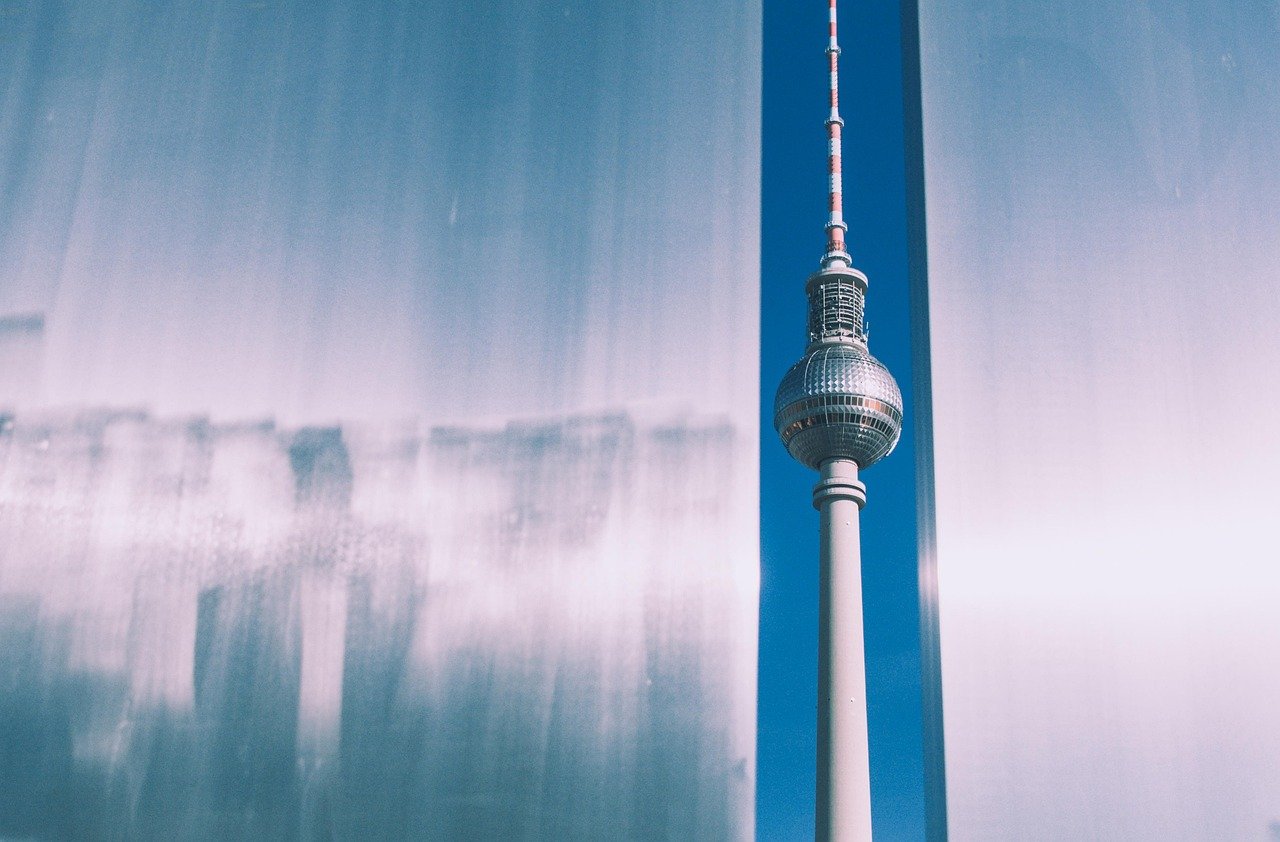
The Main Deck sits at 150 metres and is reached by a brisk 90-second lift ride from the second floor of FootTown. Glass walls stretch floor to ceiling on all four sides, giving unobstructed views across the Kanto plain: on clear days you can pick out Mount Fuji to the southwest, Tokyo Bay glittering to the south, and the Tokyo Skytree needle to the northeast. A glass floor panel in one corner lets you stare straight down at the cars crawling along Hibiya-dori, which is either thrilling or terrifying depending on your disposition. Interactive digital displays explain the tower’s history in English and Japanese, while a small café serves matcha lattes and seasonal sweets.
Top Deck
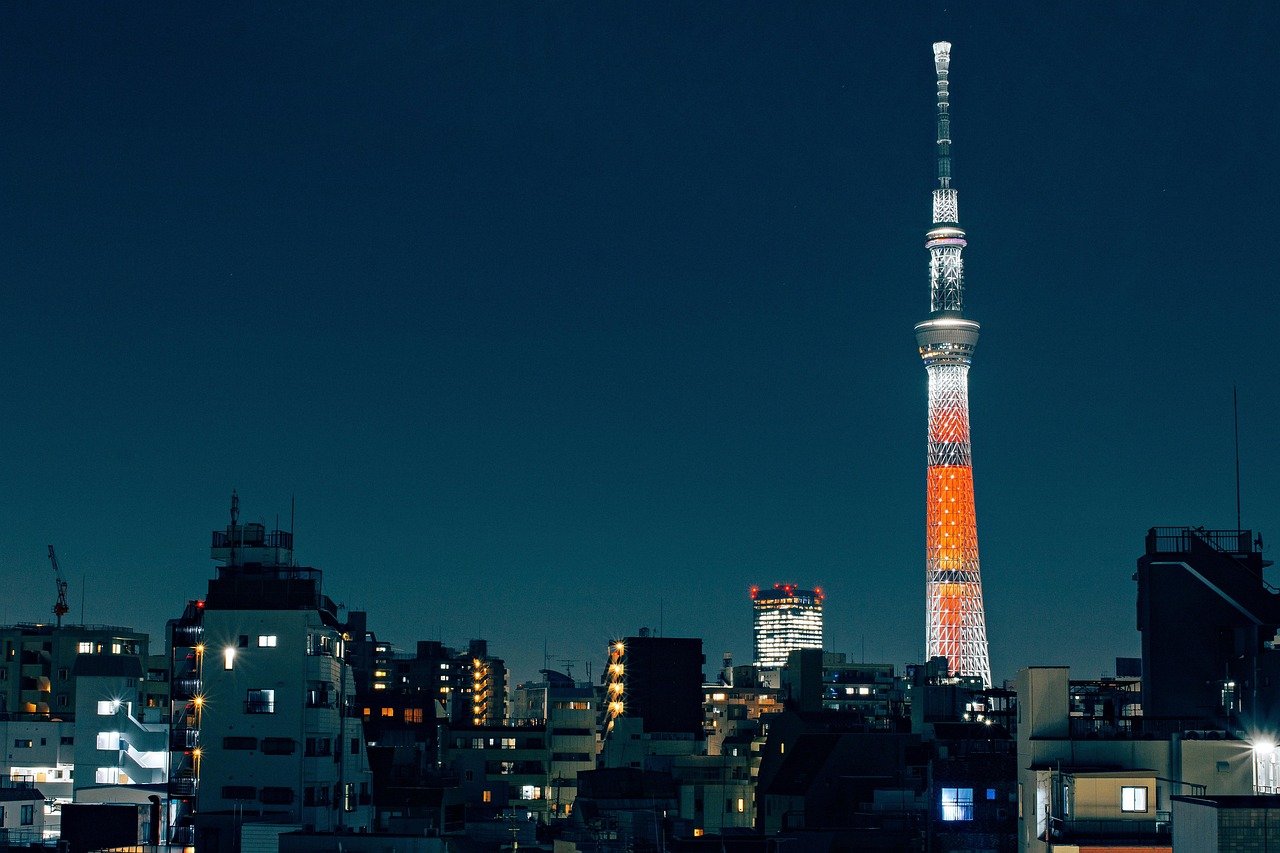
Accessed by a separate express lift from within the Main Deck, the Top Deck at 250 metres is a recent addition that transformed the visitor experience. The ride itself is partly theatrical: the lift cabin features a projection-mapped interior that narrates the tower’s history as you ascend. At the top, floor-to-ceiling windows curve around two circular viewing galleries, one stacked atop the other. The upper gallery feels thrillingly exposed — close enough to the broadcasting antennae to appreciate their sheer scale. At night the view is staggering: Tokyo’s grid dissolves into a carpet of amber and white light that seems to extend to every horizon, interrupted only by the dark ribbon of Tokyo Bay.
FootTown Base Complex
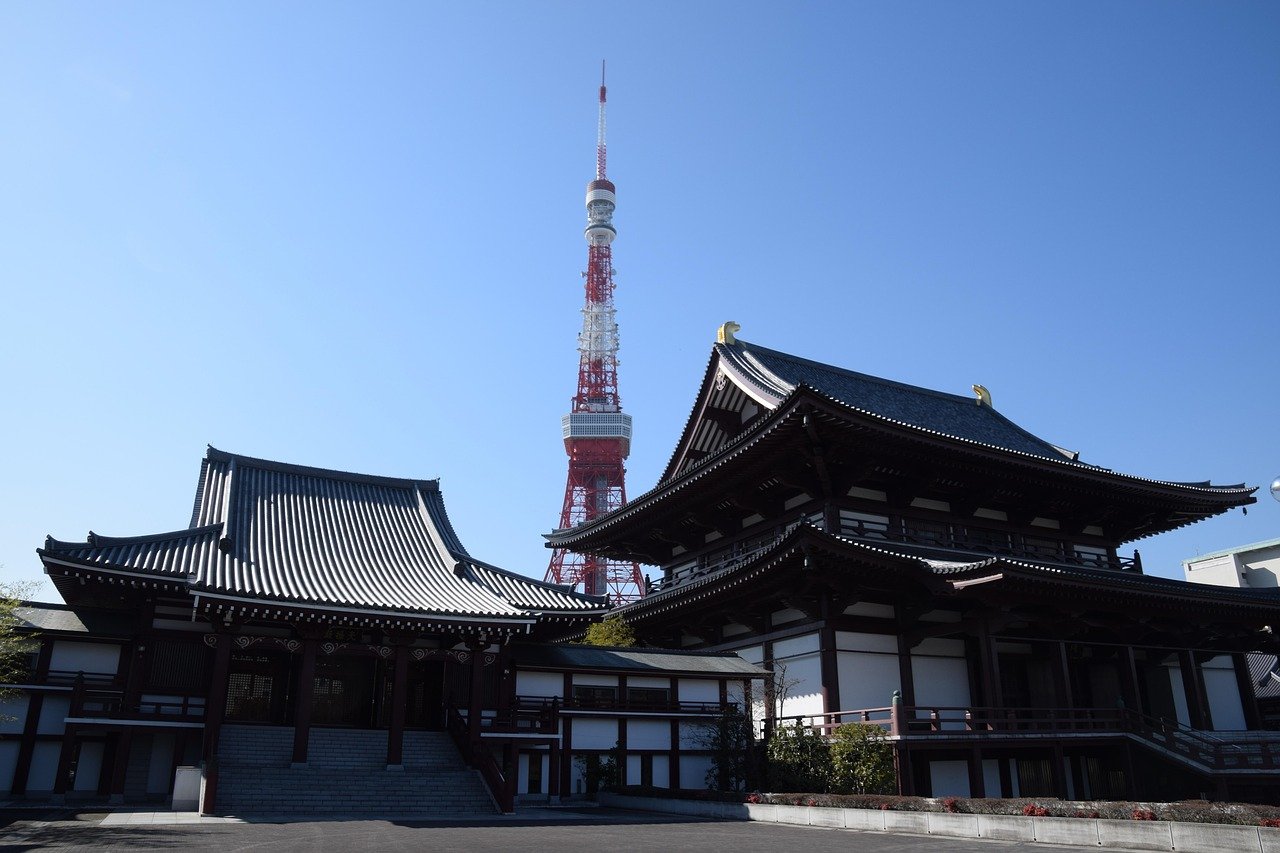
Beneath the tower’s four legs sits FootTown, a four-storey entertainment complex that most visitors rush past on their way to the lifts. Slow down: the ground floor hosts Tokyo Tower’s official souvenir shop alongside a surprisingly good ramen counter. Upper floors contain a small aquarium, a wax museum, and rotating gallery exhibitions. Step outside the north exit to find Zojoji Temple, a vast 14th-century Buddhist temple whose black Sangedatsumon gate frames the tower in an image that has come to define Tokyo’s layering of old and new. The temple grounds are free to enter and beautifully peaceful even during busy periods.
Local Insights
Tips from regular visitors and local residents who know Tokyo Tower beyond the brochure:
- Visit on a weekday morning for the thinnest crowds — weekend afternoons see queues stretching from FootTown to the street.
- Check the weather app before going: Mount Fuji is only visible on clear, low-humidity days, typically November through February and after rain.
- The tower changes colour on special occasions — look up the annual illumination calendar for themed lighting events such as Halloween orange or festive gold.
- Combine with Zojoji Temple directly next door; the contrast of ancient temple gate and modernist tower in a single frame is Tokyo in one photograph.
- Shiba Park surrounds the base and is a lovely picnic spot in spring cherry blossom season — far less crowded than Ueno or Shinjuku Gyoen.
Planning Your Visit
Everything you need to know before you go:
- Getting there: 5-minute walk from Akabanebashi Station (Oedo Line), exit Akabanebashi. Also reachable from Kamiyacho (Hibiya Line) or Onarimon (Mita Line). No parking recommended — central Tokyo traffic is heavy.
- Tickets: Main Deck only ¥1,200 adults / ¥700 children. Main Deck + Top Deck ¥3,000 adults / ¥2,000 children. Tickets sold at FootTown ground floor or online.
- Hours: Daily 9:00–23:00 (last entry 22:30). FootTown shops close earlier, around 21:00.
- Time needed: Allow 1.5–2 hours including FootTown, both decks, and Zojoji Temple next door.
Frequently asked questions
What are Tokyo Tower’s opening hours?
Tokyo Tower is open daily from 9:00 to 23:00, with last entry to the observation decks at 22:30. FootTown shops and restaurants generally close around 21:00. The tower itself is lit up each night and visible from across the city even after closing time.
How much do Tokyo Tower tickets cost?
A Main Deck-only ticket costs ¥1,200 for adults and ¥700 for children (4–12). The combo ticket covering both Main Deck (150 m) and Top Deck (250 m) is ¥3,000 for adults and ¥2,000 for children. Tickets can be purchased at FootTown or in advance online to skip the queue.
How does Tokyo Tower compare to Tokyo Skytree?
Tokyo Skytree at 634 metres is nearly twice the height of Tokyo Tower and its upper decks offer a higher vantage point. However, Tokyo Tower sits in a more central and historically rich neighbourhood, admission is cheaper, and many visitors find its analogue, mid-century atmosphere more characterful than the Skytree’s sleek modernity. Both are worth visiting if time allows.
What is the best time to visit Tokyo Tower?
For clear views of Mount Fuji, visit between November and February on a low-humidity day, ideally after rainfall has cleared the air. For the most magical atmosphere overall, arrive at dusk (around 30 minutes before sunset) to experience the transition from the golden-hour cityscape to the full glittering night view — without waiting in a separate day or night queue.